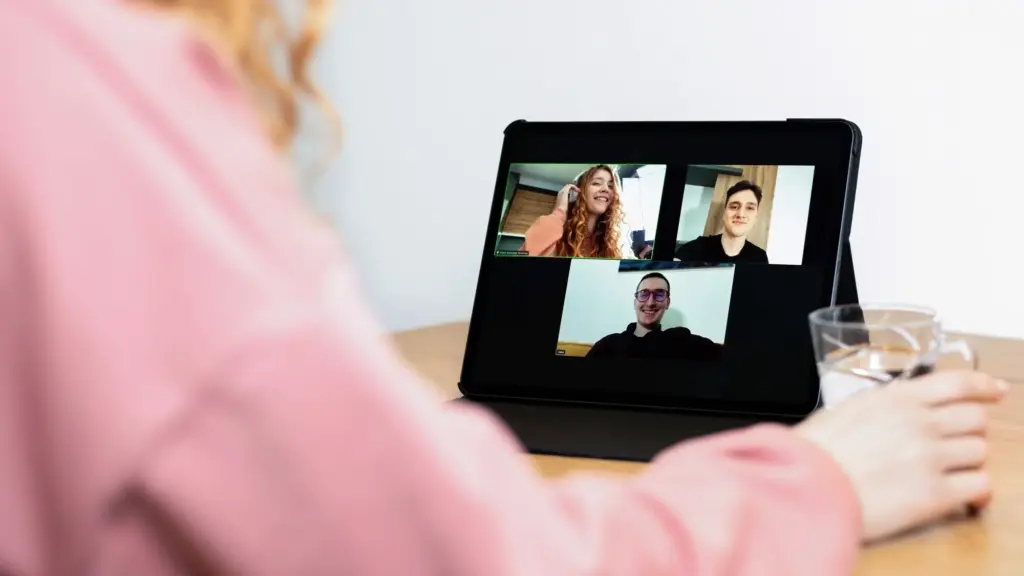
Build Your Voice, Together, Week by Week

Discover how Peer Accountability Pods for Weekly Communication Skill Sprints turn scattered intentions into reliable progress. In small, supportive groups, you will commit to clear micro-goals, rehearse essential techniques, exchange actionable feedback, and report results every week. This rhythm sustains motivation, builds confidence, and makes new behaviors stick. Start now with a lightweight structure designed for busy schedules and leave each sprint with sharper messages, stronger listening habits, and teammates who genuinely want to see you succeed.

Motivation That Compounds Every Seven Days

Weekly cycles create short horizons you can actually see across. Each check-in resets attention, converts promises into measurable steps, and celebrates visible wins before motivation cools. The compounding effect arrives when peers remember your goals, nudge you compassionately, and share their own missteps. That shared momentum keeps practice honest, reduces fear of judgment, and makes experimenting with new communication techniques feel safer, faster, and surprisingly enjoyable.

Trust and Psychological Safety Without Complacency

Safety grows from clear rules, consistent attendance, and respectful listening, not vague kindness. In a strong pod, people challenge one another’s habits while protecting dignity. Scripts for giving feedback and rotating facilitation help prevent dominance or silence. Because everyone brings imperfect drafts, awkward phrasing, and real deadlines, perfection loses its grip. Accountability stays gentle yet firm, allowing courage to expand without drifting into a comfortable rut where ambitions quietly fade.

From Vague Intentions to Concrete Micro-Goals

Replace general aspirations like be better at presentations with crisp, observable actions such as deliver a two-minute update with one headline, one number, and one ask. Pods help translate fuzzy wishes into repeatable drills, timed rehearsals, and behavior checklists. This shift makes progress trackable and feedback specific. Over a few sprints, those micro-goals scaffold larger improvements, turning isolated wins into a recognizable style that colleagues trust under pressure.

Designing Weekly Sprints That Stick

Durable practice needs a structure light enough to maintain and strong enough to matter. Each week should define a single skill focus, a tiny experiment, and a clear success metric. Layer in time-boxed rounds, rotating roles, and a simple feedback loop that completes before energy drops. By keeping expectations transparent and scheduling predictable, pods avoid decision fatigue, preserve goodwill, and make it easy for busy professionals to keep promises to themselves and one another.

Rituals, Roles, and Tools

Predictable rituals reduce friction and make collaboration feel meaningful. Assign roles to distribute responsibility, and use lightweight tools that never overshadow human connection. A recurring agenda, a visible timer, and a living document are usually enough. Rotate facilitation to avoid hierarchy; rotate scribe duties to surface different perspectives. Keep friction low by agreeing on a single channel for updates. When rituals feel respectful and reliable, participation rises and practice deepens almost automatically.

Skill Focus Playbook: Speaking, Listening, Writing

Pods thrive when everyone knows exactly which muscle they are training. Rotate focus areas to maintain freshness and cross-pollinate techniques. Speaking drills emphasize clarity under time pressure; listening drills target curiosity and paraphrasing; writing drills compress ideas into punchy, credible lines. Each sprint defines one behavior to watch, one artifact to produce, and one metric to review. This specificity transforms generic advice into lived, repeatable improvements that colleagues can actually hear and trust.
Practice delivering a ninety-second update with a headline, supporting proof, and a clear ask. Use lean language, cut hedging, and front-load the point. Peers track fillers, drift, and clarity of the request. The artifact is a short script you can reuse. Over weeks, these reps shrink rambling, speed decisions, and build reputation. Executives do not need every detail; they need orientation, confidence, and a reason to say yes or redirect fast.
Instead of nodding vaguely, train behaviors you can actually see: paraphrase the core idea, label emotion carefully, then ask a single open question that advances thinking. Pods measure interruptions, reflection accuracy, and question quality. Record short clips to review tone. The aim is dependable presence under pressure, where stakeholders feel heard and you gather the context required to propose useful next steps rather than impressive but irrelevant solutions.
Build simple arcs with stakes, struggle, and a decisive turn. Replace meandering chronology with a problem-solution-benefit frame, anchored by one memorable image or number. Pods spot missing tension, buried outcomes, or jargon that blunts impact. You will collect re-usable beats for product demos, retrospectives, and proposals. Over time, your stories travel further because listeners can retell them accurately, carrying your message into rooms you never enter.

Measuring Progress Without Killing Joy

Metrics should illuminate, not intimidate. Use leading indicators you control—like repetitions completed, clarity scores from peers, or time-to-point—before worrying about long-tail outcomes. Keep dashboards visible but friendly, celebrate partial wins, and treat surprises as data for better experiments. If energy dips, revisit scope, cadence, or incentives. The right measures make practice playful and purposeful, turning self-critique into curiosity and keeping pods vibrant long after initial enthusiasm fades.

The Product Manager Who Cut the Ramble

She began timing updates, aiming for a single headline, one number, and a precise ask. Peers flagged hedges and buried leads; she rewrote and rehearsed. After four sprints, leadership praised her clarity, and cross-team decisions sped up. Her pod still meets, guarding against backsliding. Her takeaway: a short message is not less information; it is more orientation, delivered respectfully, so colleagues can act without wading through narrative fog.

The Engineer Who Started Asking Better Questions

He shifted from advice to curiosity using a paraphrase-label-ask pattern. Pods counted interruptions and tracked question quality. Within weeks, design reviews became calmer, and stakeholders volunteered crucial context earlier. He now keeps a tiny card on his monitor with three prompts. The lesson was simple: listening is not passive; it is deliberate structure. When questions get cleaner, solutions arrive faster, and meetings feel like collaborations rather than quiet battles.